
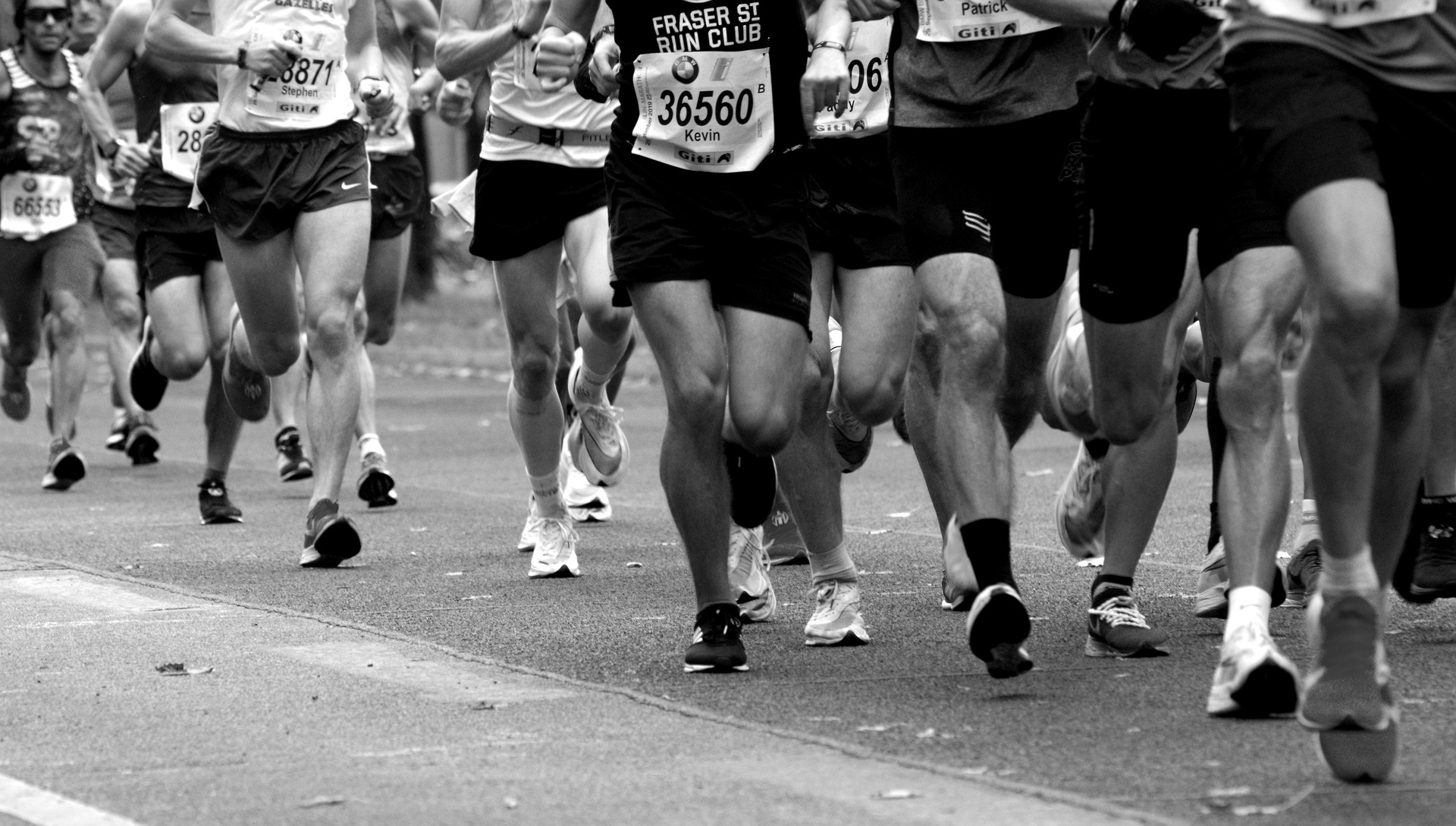
Sunday morning at 10:30am, Denes Oval becomes the starting line for something Lowestoft should have been shouting about for years.
The Lowestoft 10K returns on 14 June 2026, carrying a distinction most towns would plaster across every advertising board they own. The Lowestoft 10K is the UK’s most easterly race.
Not one of the most easterly. The most easterly.
You can run marathons in London, half-marathons in Manchester, and parkruns in towns and suburbs across Britain. But if you want to start a race closer to the sunrise than anyone else in the country, you come here.
That matters.
Lowestoft has spent years struggling with its own story. We know what we are not. We are not the tourist magnet Great Yarmouth became. We are not the heritage brand Southwold markets so confidently. We are not the industrial powerhouse we were when the fishing fleet dominated the North Sea.
But we are the first place in Britain to see the sun each morning. We are the edge of the country. And somehow, too often, we have treated that as a footnote instead of a foundation of building blocks to better things.
The 10K gets it right.
It does not apologise for where Lowestoft sits on the map. It leads with it. It turns geography into identity. It invites runners, spectators and residents to experience something that genuinely belongs to this town.
The town council describes the event as promising a “vibrant and inclusive atmosphere”, and beneath that familiar event language is something worth taking seriously.
A race is not passive entertainment. It does not ask people to sit in seats and watch from a distance. It asks runners to train, volunteers to organise, marshals to guide, families to cheer, and spectators to turn ordinary streets into a shared public occasion.
When people line the route to cheer on a neighbour, colleague or stranger pushing through the final kilometres, they are not just watching a race. They are helping create it.
That is how community is built - not through slogans, but by people turning up for each other in public.
There is also something powerful about making health visible.
A town that celebrates running, walking, effort and participation sends a message. It tells the first-time runner that they belong alongside the club athlete chasing a personal best. It tells the nervous beginner that finishing matters. It tells children watching from the roadside that ordinary people can set themselves hard goals and complete them.
The 10K will not fix Lowestoft’s deeper challenges. It will not solve housing pressures, revive lost industries or replace the jobs that disappeared from the coast. But it does create a public moment where effort, confidence and civic pride are visible.
That visibility can ripple out.
When someone crosses the finish line after months of training, someone else notices. A colleague thinks about signing up next year. A child sees a parent do something difficult. A beginner realises they are capable of more than they thought.
That is not fluff. That is how confidence spreads.
The route itself also matters. This is not a race hidden away from the town’s identity. It is a coastal event, shaped by the North Sea, the wind, the open sky and the sense of being right on the edge of Britain.
That is part of what makes Lowestoft different. The coastline is not just scenery. It is the town’s character. It is what people remember, what visitors photograph, and what residents sometimes forget to value because it is always there.
The Lowestoft 10K takes that setting and puts it at the centre of the experience.
It also gives the town something practical to build around. Events like this bring runners, families and visitors into the area. They support cafés, shops, accommodation providers and local businesses. More importantly, they give Lowestoft a reason to talk about itself with confidence.
Towns that understand their own identity are easier to support, easier to promote and harder to ignore.
“Most easterly” should not be a throwaway phrase. It should be part of how Lowestoft presents itself — not just for this race, but for tourism, events, business and community life.
Because no other town in Britain can claim it.
That is why Sunday morning matters beyond the race clock.
The Lowestoft 10K shows that this town can organise, participate and celebrate something of its own. It gives residents a reason to come out, make noise and back people who are testing themselves on home streets.
It also pushes back against a tired story that Lowestoft is only a town of decline, nostalgia and missed opportunity.
That story has done enough damage.
Lowestoft has spent too long apologising for itself.
This weekend is a chance to stop apologising and start occupying our identity with confidence.
If you are running, you already know what the race means to you. You have trained, committed and decided to show up.
If you are not running, show up anyway.
Line the route. Bring your kids. Cheer the runners. Make the town feel alive for a few hours on a Sunday morning.
Because when the UK’s most easterly race starts at Denes Oval, it is not just a sporting event. It is a reminder that Lowestoft still has something unique, something worth celebrating, and something worth backing.
The sunrise starts here.
Maybe the confidence should too.