
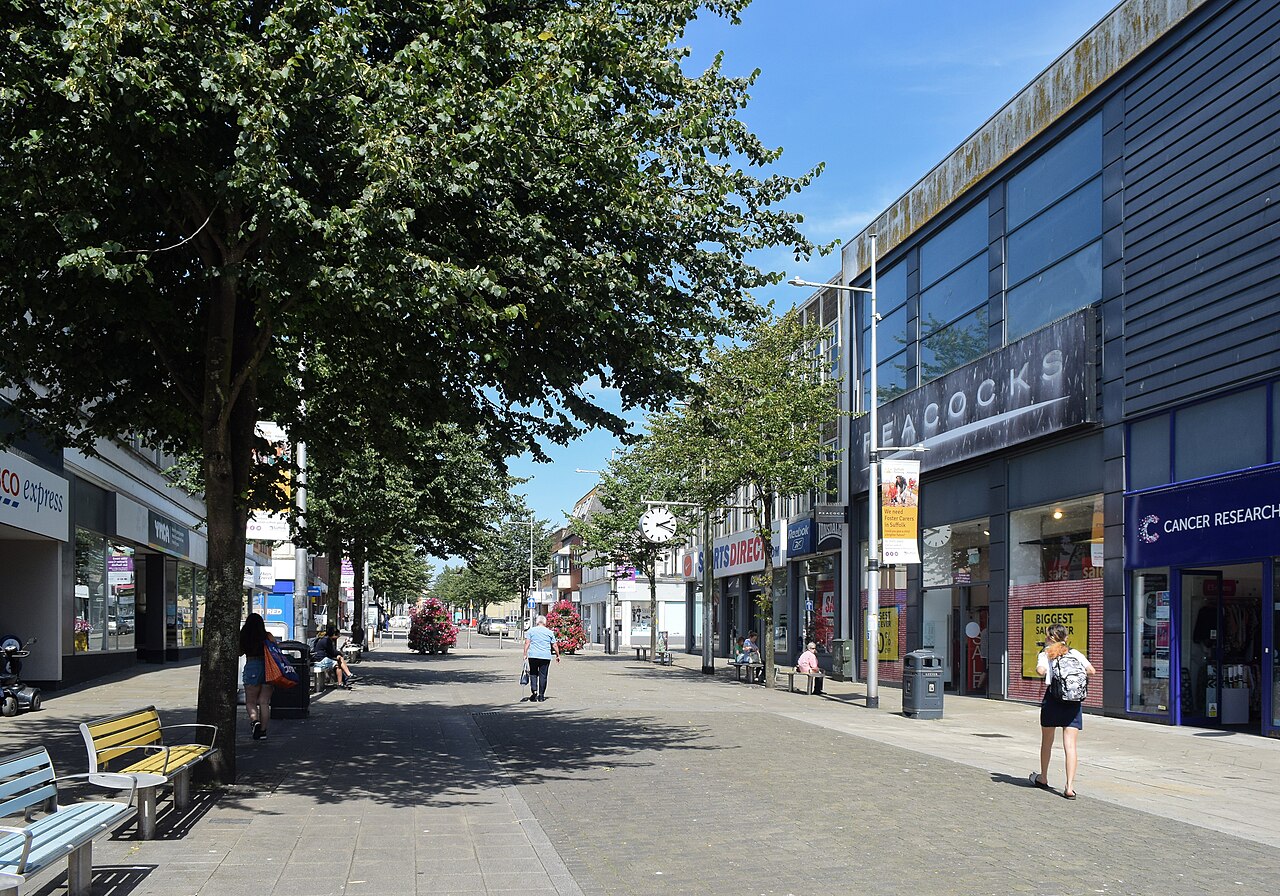
The red-brick face of St Andrew’s Church has seen many gatherings over the years, but on a recent Saturday morning, there was a different kind of buzz. A public meeting that could mark the turning point for a town that has experienced a significant, long-term decline in its traditional industries, shifting from a bustling fishing and manufacturing hub to a town currently facing high commercial vacancy rates and a search for a new identity. Historians and residents have noted the loss of the town's "nautical focus," turning it into a "zombie town" that has struggled to find a new identity, with tourism also declining.
If you have lived in Lowestoft long enough, you would've seen talks of regeneration and investment before, but the town has a history of announced "masterplans" and regeneration schemes in the Lowestoft and Oulton Broad area that either stall indefinitely, were scaled back, or scrapped entirely. Well, what makes the Pride of Place funding any different?
This new initiative is not about top down fixes chosen in Whitehall. It is about local people deciding what matters most right here. That's why Local MP Jess Asato held the recent public meeting, she stood before a crowd eager not just for answers, but to have a real say in the future of a town centre that has secured a £20 million “Pride in Place” investment spread over the next decade and, crucially, the local people have a say in how every penny is spent.
Ms Jess Asato has made it clear from the outset that she doesn’t want to dictate from above. Her approach has been to show up, listen, and critically...act. Ms Asato’s Pride in Place public meeting at St Andrew’s Church was an open invitation to come share ideas, frustrations and dreams for Lowestoft. “This is a once-in-a-generation opportunity,” Ms Asato told locals, echoing the feeling of many in attendance that real change might finally be within reach.
The mood at the public meeting was a mix of hope and hard-headed pragmatism. Residents pressed Asato on everything from the future of boarded-up shops to anti-social behaviour in the high street. Many wanted to know how the money would be protected from waste or mismanagement. Ms Asato was clear that transparency will be built in, with regular updates and open channels for feedback. She stressed that restoring pride in the town isn’t just about buildings it’s about restoring trust, dignity, and a sense of belonging.
Ms Asato’s leadership style has drawn praise even from those who don’t always agree with her politics. She has called for “more engagement, not less,” and has made a point of being accessible whether through public meetings, social media, or direct mail. Her insistence on listening first and acting second has set a tone that many in Lowestoft find refreshing after years of feeling ignored or sidelined. She has also championed issues beyond regeneration, such as making streets safer for women and girls, showing a commitment to holistic change.
On social media, reactions to the Pride in Place funding have ranged from cautious optimism to outright excitement. “This is the chance we’ve been waiting for,” wrote one local on Facebook, while another urged, “Let’s make sure we don’t waste it.” Some want to see the tired town centre rejuvenated, with new shopfronts and public spaces; others argue for more support for families, safer streets, and better facilities for young people. Ms Asato has responded by launching surveys and promising that every piece of feedback will be considered, not binned or buried.
Pride in Place isn’t just another government grant. By setting up a local Pride in Place Board. There will be a group made up of people from all walks of life who know our community best.
Residents, business owners, volunteers, parents, young people and anyone who cares about where we live.
This board will not be a talking shop. It will be the body that identifies priorities, plans projects and decides how the £20 million is used to make real, lasting change. In Lowestoft, that means residents themselves will help decide how the money is spent, from fixing boarded-up shops to tackling anti-social behaviour and reclaiming unused spaces for the public good. The goal is to build a town that feels safe, welcoming, and full of promise not just for tourists but for those who live here day in, day out.
Critically, the creation of the Neighbourhood Board is meant to keep the process honest. Once in place, this group will be tasked with reviewing all the suggestions collected at meetings and online, and turning them into a coherent, actionable plan. The board’s work will be public, with minutes and decisions posted online for anyone to review. This level of transparency is rare in local government and residents have responded with an eagerness to be part of something new, something that feels like it belongs to them.
For Lowestoft, the stakes are high. The town has weathered decades of decline, losing industry and population even as its natural beauty and yet it's potential remains. The Pride in Place programme is designed to reverse the decline by giving communities the “resources and tools to drive change themselves,” as the official guidelines put it. The money must be spent by 2027, meaning the clock is ticking and the risk of missed opportunities is real.
The mechanics of the programme are complex but clear in their intent. Funds can be used for everything from repairing shop fronts and improving public toilets to reclaiming derelict spaces and expanding community facilities. The idea is to create a town that becomes more attractive, with new businesses and as such families will be drawn in, reinforcing the sense of pride and belonging that the programme is named for.
If Pride in Place succeeds, it could become a model for other towns across Britain struggling to find their feet in a changing world. The metaphor that keeps resurfacing is that of a garden that has been neglected too long, now getting the attention and resources it needs to bloom again. But as any gardener knows, the work is painstaking, and the results can take time. The people of Lowestoft are prepared for that. What they demand and what Ms Asato has promised is that this time, the work will not stop halfway.
So if you have ever found yourself wondering why Lowestoft does not get the investment it needs, this is your moment. Pride in Place can be the platform for real change, it is, at last, a promise: that Lowestoft’s best days are not behind it, but waiting just ahead, shaped by the hands of its own community.