
Lowestoft’s cultural heart is beating with a new, slightly complicated rhythm. While construction hoardings and high profile delays at the Battery Green site catch the eye, the real story is happening inside the town’s existing auditoriums. Tickets are selling, local groups are growing, and a new generation of performers is finding its voice, proving the local scene is far from quiet. To see if the town is truly thriving, you have to look past the building sites and into the spaces where the community is already showing up in droves.
The most visible sign of the town’s ambition is the £24.7 million Cultural Quarter, funded largely by a £14.3 million Towns Fund grant. The plan was to turn the old Battery Green car park into a creative hub, but the project hit a major snag when a massive, critical sewer was found running directly through the site. This pipe serves a huge area of Lowestoft, and building over it would be a disaster; if it ever collapsed, workers would have to demolish the new multi-million-pound buildings just to reach it.
The situation has left many locals asking a simple, frustrating question - How was this missed? Council documents show a significant communication gap, noting that Anglian Water did not respond to initial consultations in late 2023, while the full impact of the sewer wasn't realised until April 2024 after demolition had already begun. Because the utility provider needs unrestricted access to the pipe to prevent sea spills, the council has been forced to "pivot" its entire design to avoid building directly over the infrastructure.
This underground oversight has pushed the finish line from March 2026 to December 2027. But the delay has also highlighted a change in the local economy. During the wait, the council noticed that big commercial operators weren't very interested in the site. Instead of chasing outside chains, the town is now moving toward a community-centric model. The First Light Festival CIC has been appointed to lead the programming, ensuring the new hub focuses on local creativity rather than just retail and leisure.
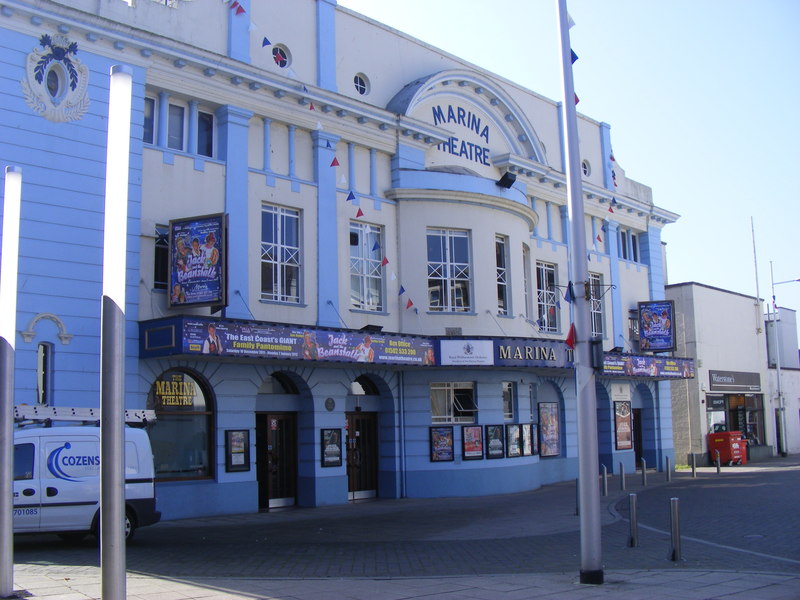
While the new Cultural Quarter waits for its fresh planning applications, the Marina Theatre has already finished its own £3 million transformation. This upgrade, led by the Town Council and the Marina Theatre Trust, was designed to drag the historic Victorian venue into the 21st century. The changes are practical: a new three-story link building now connects the theatre to its café, housing a larger box office and modern toilets. Most importantly, the installation of a new lift means every floor is accessible to everyone for the first time in the building's history.
The Marina’s grand reopening on October 23, 2025, featuring Anton Du Beke, proved that local demand is high. The theatre isn't just relying on weekend crowds or the annual Christmas pantomime. International acts like Tap Factory are shifting tickets for mid-week Thursday slots, showing that the 71,000 residents in the area are willing to support live shows year-round. From the Royal Philharmonic Orchestra to local productions of Sweeney Todd.
If the Marina serves as the town’s grand stage, the Seagull Theatre in Pakefield and Team2Gether CIC based in the Old Fire Station on Clifton Road acts as its experimental heart. The Seagull Theatre is Run almost entirely by volunteers, this venue is a vital community asset that proves the local scene is far from "quiet". A recent £518,890 grant from the government's Youth Investment Fund transformed the Victorian building, removing old accessibility barriers that previously kept people out. This funding has allowed the theatre to expand its specialist drama groups for children with special educational needs and disabilities (SEND) and young musicians with autism. While venues like the Seagull provide the platform, organisations like Team2Gether CIC are doing the intensive, behind-the-scenes work to ensure every resident can take part. Originally founded by the late Kenny Cantor in 2017 as CAPPA, they rebranded to reflect a "team spirit" that goes far beyond traditional theatre training. Operating with the motto "Empowering Every Ability," they provide a safety net for those who often fall through the cracks of mainstream education and arts provision.
No look at the town's resilience is complete without the Lowestoft Players. Founded in 1967, this society has grown into one of East Anglia's premier groups with over 100 active members. They operate out of The Bethel, a former Seaman’s Mission they transformed through thousands of hours of volunteer work. While they use their own 200-seat venue for smaller plays, they regularly return to the Marina Theatre for massive productions like Grease and Sweeney Todd, frequently playing to packed houses.
This local passion echoes the energy of the 1950s and 60s, a period many remember as Lowestoft’s entertainment "Golden Age". Back then, the 1,300-seat Sparrows Nest Pavilion and the Arcadia were powerhouse venues fueled by the Holidays with Pay Act, which brought working-class families to the coast for "twice nightly" variety shows. While the rise of foreign holidays eventually led to the demolition of the Pavilion in 1988, the current regeneration efforts are using that era's vibrancy as a blueprint for the future.
Lowestoft is no longer waiting for a 16-week summer season to feel alive. The evidence shows a town center shifting from old-school retail to "experiences," positioning culture as a year-round engine for the 71,000 people who live here. The technical setbacks at Battery Green haven't stopped the momentum because the foundations—built by the Marina, the Seagull, and the Players—are supported by local passion rather than just government grants. Lowestoft's theatre scene may not look like it did in 1955, but through increased accessibility and grassroots participation, it is becoming a permanent, unshakeable part of the town’s identity.