
Lowestoft failed to secure the UK's first Town of Culture title.
Some ideas from the bid could still happen.
The bid aimed to make Ness Point a cultural hub. It pushed for funding for smaller venues and more local events. Arts and culture would open up new opportunities for children and young people.
The Seagull Theatre led the bid, backed by community groups, local businesses, and Discover Lowestoft.
The Seagull told Lowestoft Wire it now waits for a September meeting with councillors to discuss next steps.
The town was not among the 15 places shortlisted for UK Town of Culture 2028 when the Government announced the results on 9 July.
The Department for Culture, Media and Sport received 398 applications for the first contest. Only 15 made the shortlist.
The judging panel picked just one East Anglia town for the final 15. Lowestoft faced tough competition from national teams and local rivals like Bury St Edmunds and Felixstowe.
Despite missing out, the team has not dropped the work behind Lowestoft's application.
The Seagull told Lowestoft Wire that some ideas from the consultation could still move forward. However, this depends on getting funding. Some ambitions, like redeveloping Ness Point, were too much for the organisation to handle alone.
The Seagull will keep working with grassroots groups in Lowestoft. Support for young people remains a key theme.
What did Lowestoft actually propose?
The Expression of Interest shows what a Lowestoft Town of Culture programme could have delivered.
The Seagull Lowestoft Community Interest Company led the bid. East Suffolk Council was the accountable body.
Partners included Lowestoft Town Council, First Light CIC, the Marina Theatre, local museums, businesses, performing arts groups, community organisations, and parish councils.
The bid called Lowestoft a town that keeps reinventing itself. It moved from fishing and tourism to North Sea gas, manufacturing, and now renewable energy and a growing cultural economy.
But it was also unusually direct about some of the problems the town faces.
The application pointed out issues like deprivation, child poverty, low earnings, health inequalities, and barriers that stop some residents from joining arts and cultural activities.
The bid argued culture is not just for entertainment or tourism. It can boost wellbeing, create jobs, and build local pride.
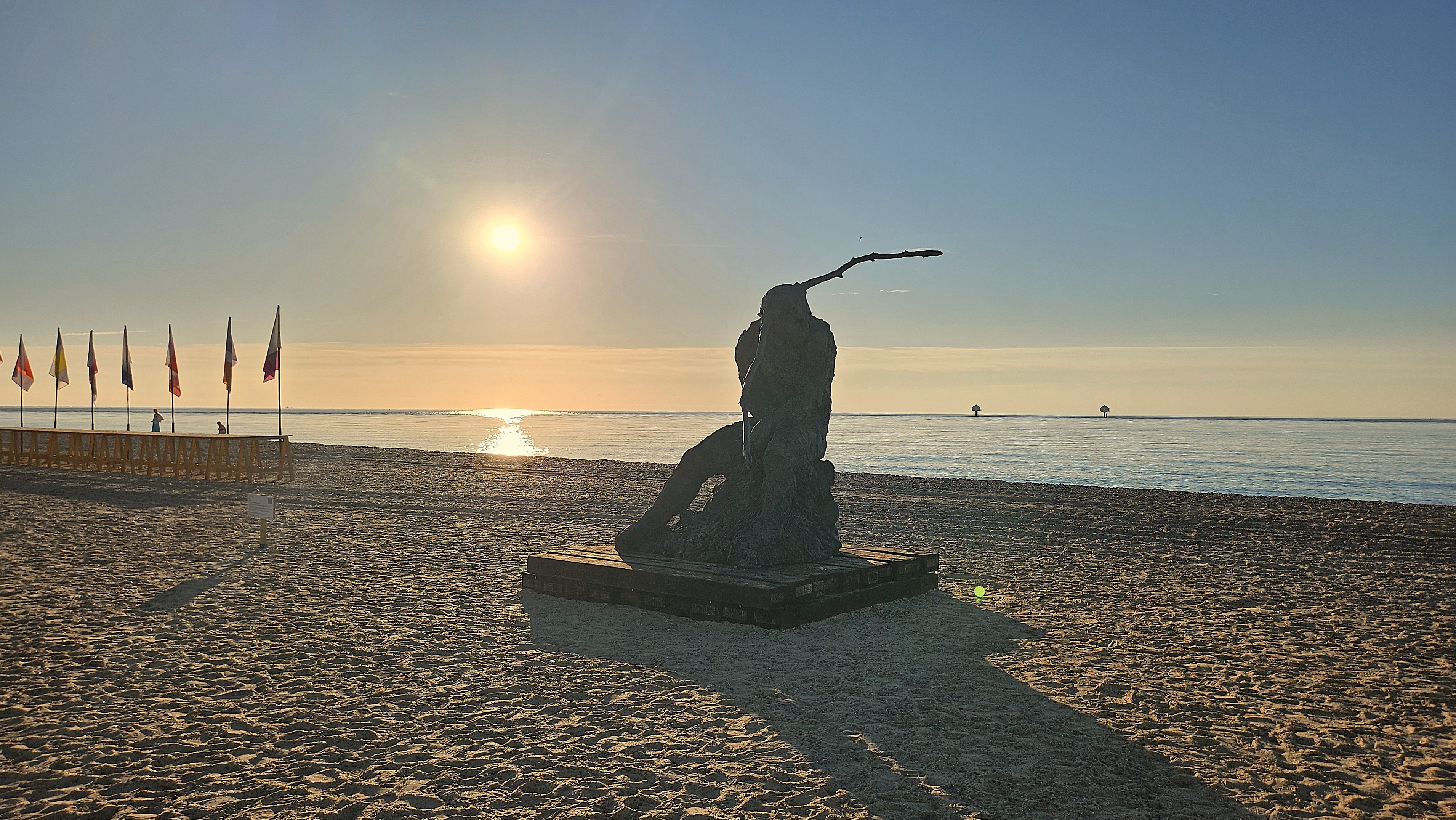
Ness Point was one of the biggest ideas
Ness Point stood out among the proposals.
The bid called Britain’s most easterly point a "defining cultural destination."
Plans included events and temporary installations at Ness Point. The team also explored a permanent cultural visitor attraction to celebrate Lowestoft's identity, heritage, and future.
The bid proposed a summer programme with major events, building on the First Light Festival, Lowestoft Carnival, and a new Gala Day.
Existing events like Lowestoft Pride, Heritage Open Days, Armistice Day, and community festivals would have gained more support.
The team proposed a programme to help grassroots groups and local creatives make new work. A separate capital fund would have helped smaller venues improve their buildings, accessibility, and environmental standards.
The bid focused on cultural projects for children and young people, especially in deprived parts of Lowestoft.
How much did the unsuccessful bid cost?
Despite the size of the application, authorities spent little public money preparing it.
The Seagull told Lowestoft Wire that its own staff undertook the work required to create the Expression of Interest.
Over four weeks, staff spent the equivalent of two to three working days each week on the bid.
Most meetings took place online or in free rooms. The Seagull also offered its building at no cost.
The organisation initially funded the work itself. East Suffolk Council later gave £1,000 towards costs.
If Lowestoft had made the shortlist, it would have got a £60,000 development grant to prepare its full application.
The eventual UK Town of Culture winner will receive £3 million.
Lowestoft planned to use the £3 million for more events and capital investment. The team aimed to stretch the funding by boosting existing festivals and programmes.
No explanation for why Lowestoft missed out
Lowestoft Wire asked The Seagull if organisers had any feedback on why the town didn't make it to the final 15.
They have not.
Unsuccessful applicants could not get feedback. This is common in competitions with hundreds of entries.
We may never know which parts of Lowestoft's proposal impressed judges or held it back.
Great Yarmouth made the shortlist and will now prepare a full application in the medium-town category.
Lowestoft's application expanded the town's boundaries to include Carlton Colville, Oulton, and Oulton Broad. This put the bid in the large-town category.
A new Lowestoft Cultural Collective
The failed bid had another effect that could outlast the competition.
The process brought together organisations that had not worked closely before.
That has resulted in the creation of the Lowestoft Cultural Collective.
Local cultural leaders now meet regularly with the local authority. They want to find new ways to work together.
Many back grassroots organisations and activities in Lowestoft. They want to help smaller, volunteer-led groups further.
Many voiced concern about children and young people in poverty. Residents sent a clear message: future cultural investment must have a social purpose.
Residents did not just ask for more festivals, performances, or public art.
They wanted cultural investment to improve lives.
The Seagull hopes some ideas will survive the loss of the Town of Culture title.
The September meeting with councillors could prove more important than it seems.
Lowestoft is out of the running for £3 million and a national title in 2028. The ideas from the bid remain on the table.
The real test is whether anyone picks up these ideas, or if Lowestoft's ambitions vanish with the bid.