
Suffolk County Council just agreed on their new Post-16 Travel Policy for the upcoming school year. The good news is they've frozen the prices. The bad news? Some families are still looking at bills of up to £1,050 a year just to get their kids to school or college. If your child has special educational needs and disabilities (SEND) or an EHCP, the fee is £780. There is a 50% discount if you qualify for targeted free school meals, but it’s still a massive chunk of money.
And honestly, for families across Lowestoft and East Suffolk, this raises a major contradiction.
Legally, teenagers have to stay in education or training until they are 18. But if getting to the right course depends entirely on whether your parents can afford a thousand-pound bus pass, how much of a choice do these kids actually have?
You can have a teenager with the perfect grades, heaps of ambition, and a spot on the exact course they need. But if the physical journey to get there costs more than £1,000 a year, that opportunity only exists on paper, not in the real world. If young people are expected to remain in education or training until 18, how realistic is the choice when getting to the right course may depend on whether a family can afford the journey?
To be fair to the council, they are heavily subsidising this. The actual cost to run these seats is massive - around £1,768 a year for a mainstream seat and a whopping £11,530 for a SEND seat. So nobody is saying the council is making a profit here.
But the council’s own report openly admits that these travel costs can restrict a student's options, purely based on what their family can afford. That is a massive admission.
If you live right in the middle of a big city, transport is a side issue. But around Lowestoft and our rural villages, it's everything. Public transport out here can be incredibly limited, indirect, or just completely mismatched with college timetables.
If parents don't have a car, or if they’re already juggling work, childcare, and massive food bills, a £1,000 transport bill becomes a massive brick wall.
When the council ran a consultation on this, they only got 15 responses, all from parents and carers. That might sound low, but it doesn’t mean people don't care. Most parents don't realise how brutal these post-16 transport costs are until their kids are actively finishing high school and making plans for September.
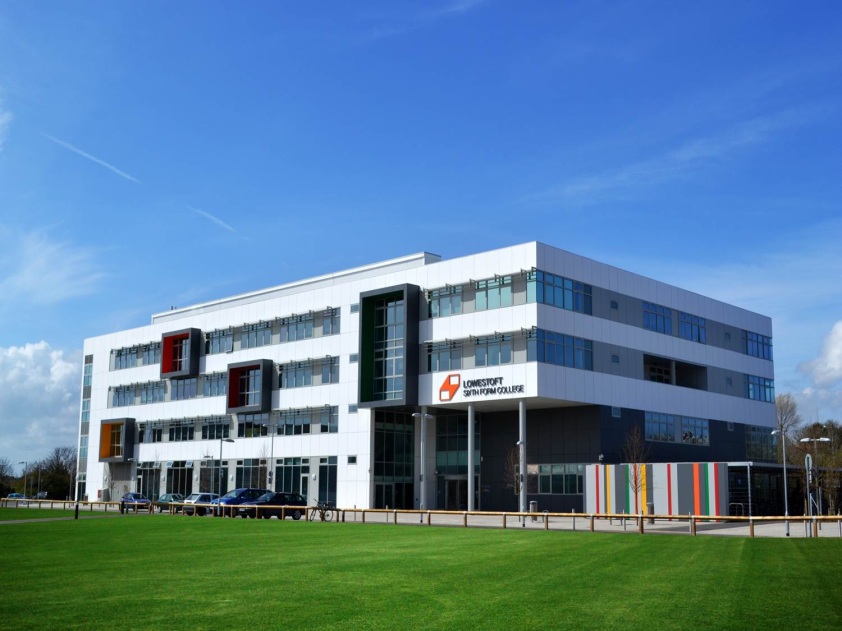
Because of the gaps in public transport, colleges are essentially having to invent their own solutions to get students through the doors. For instance, Lowestoft Sixth Form and East Coast College have set up a free direct bus service for students living in places like Halesworth, Bungay, Beccles, and Carlton Colville. If you happen to live right on that route, it’s an absolute lifesaver.
They also offer discretionary support funds for households earning under £30,000 a year to help cover travel costs. But you have to wonder...should colleges really be forced to spend their limited educational budgets on bus routes just because the local transport system isn't working?
The council suggests alternatives like railcards, car-sharing, cycling, or walking. But let’s be real. A railcard doesn't help if there isn't a train station near your village. A bike doesn't help if you have to commute fifteen miles down a dark, dangerous rural road in the middle of winter.
This isn't about pointing fingers or blaming the council. It’s about responsibility. It’s about a system that feels completely disconnected.
If we are serious about levelling up, tackling long-term disadvantage and enabling all young people to access high-quality education, then post-16 transport must be treated as the essential public service it is — and addressed decisively by those with the power to change it.
If we continue to ignore the scale of this problem, the consequences - practical and potentially serious - will rest not with colleges, but with policymakers.
East Suffolk's young people deserve a fair chance to get to where they need to be.